Winter and shoulder-season riding in much of Canada means road salt, meltwater and grit. These conditions are hard on a drivetrain because salt promotes corrosion and grit turns lubricant into an abrasive. A short, consistent routine keeps the chain working and slows wear on the more expensive cassette and chainrings.
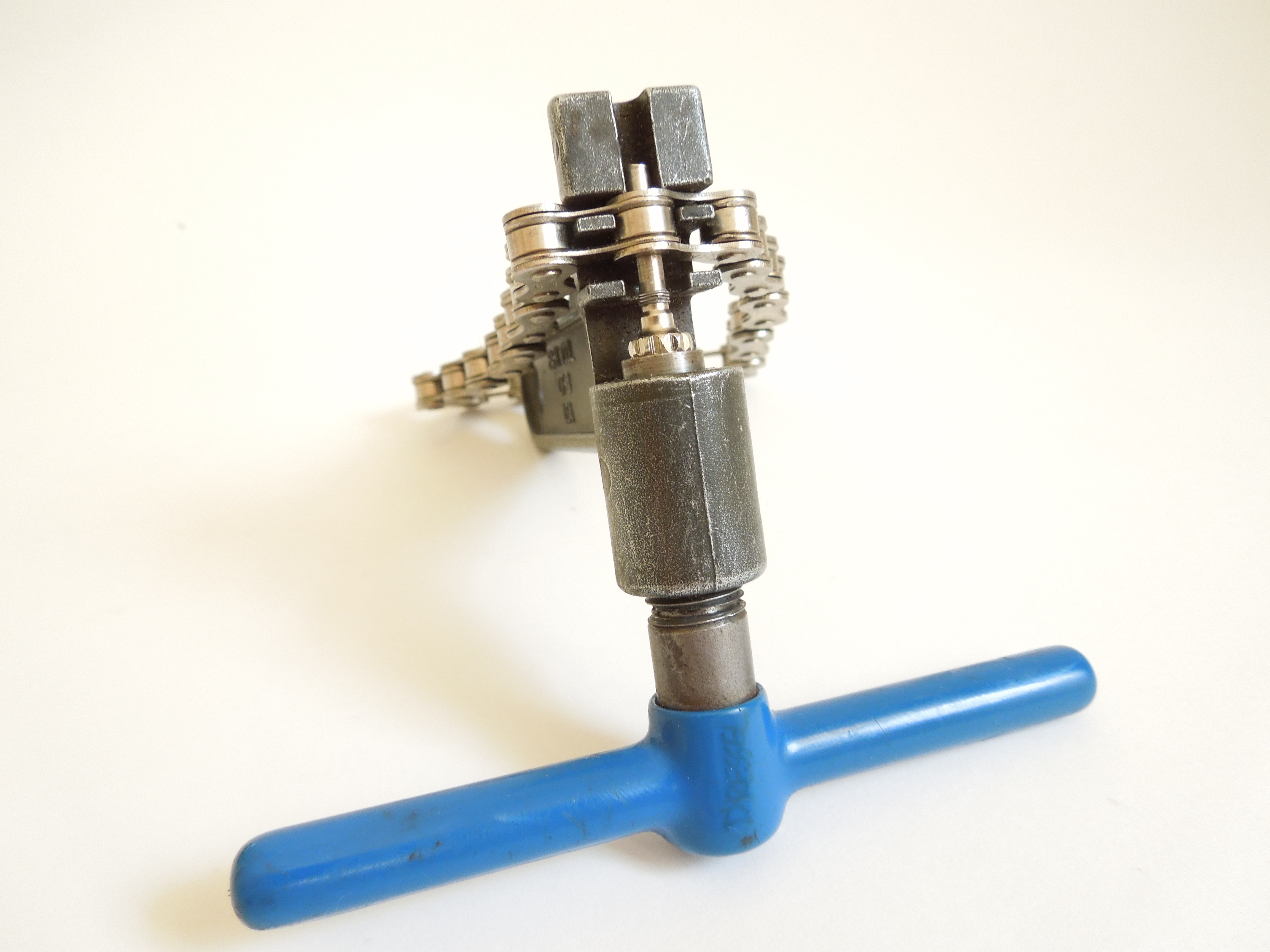
Why cold and salt are hard on a chain
Liquid water carrying dissolved salt reaches between the rollers and plates of the chain. When it dries, it can leave corrosion that stiffens links. Grit picked up from wet roads embeds in any lubricant film, and from then on every pedal stroke grinds those particles against the metal. The practical consequence is faster chain elongation, which in turn wears the cassette teeth.
A repeatable cold-weather routine
1. Clean before lubricating
Wipe the chain with a rag while back-pedalling to remove loose grime. For a heavier build-up, a chain-cleaning device or a brush with a bicycle-specific degreaser removes more. Let the chain dry before adding lubricant so the new film bonds to clean metal rather than floating on solvent or water.
2. Choose a lubricant for the conditions
- Wet lubricants resist being washed off by rain, slush and spray, which makes them a common winter choice. They attract more grit, so wiping the excess matters.
- Dry lubricants stay cleaner but wash off faster in persistent wet, so they suit drier cold days more than slushy ones.
Apply a small amount to each roller as you back-pedal, let it work in, then wipe the outside of the chain. The lubricant belongs inside the rollers, not as a visible coating that collects dust.
Wiping the chain after every wet or salted ride, and reapplying lubricant when it runs dry, does more for chain life than any single product choice.
3. Check chain wear
Chains elongate as they wear. A chain-checker tool indicates when elongation reaches common replacement thresholds. Replacing a worn chain before it is badly stretched protects the cassette and chainrings, which cost more to replace than the chain itself.
Storage between cold rides
If the bike is brought indoors wet, drying the chain prevents flash corrosion as it warms up. Bikes stored in unheated garages go through repeated freeze-thaw cycles, so a light protective film of lubricant on the chain helps over a long off-season.
Quick reference
After a wet/salted ride:
  1. Wipe chain with a rag (back-pedal)
  2. Inspect for grit around derailleur and chainrings
  3. Dry, then reapply wet lube if needed
  4. Wipe excess from outer plates