
Chain care
A clean, correctly lubricated chain shifts better and slows wear on the cassette and chainrings. Wet and dry lubricants suit different conditions.
Winter chain care guidePlain-language notes on the three jobs most riders handle at home: cleaning and lubricating the chain, setting up rim and disc brakes, and keeping tires at the right pressure between flats.

Most routine bicycle servicing repeats the same short list of checks. These three sections cover the parts that wear fastest and affect safety and ride feel the most.
A clean, correctly lubricated chain shifts better and slows wear on the cassette and chainrings. Wet and dry lubricants suit different conditions.
Winter chain care guide
Pad alignment, lever feel and rotor or rim contact all drift over time. Small adjustments restore consistent, predictable stopping.
Brake adjustment guide
Pressure, tread condition and a reliable flat-repair routine keep rolling resistance and puncture risk in check across road and trail.
Tire & flat repair guideLubricant applied over grit acts as grinding paste. The usual sequence is to remove old grime, let the chain dry, apply a thin film of lubricant to each roller, then wipe the excess from the outside so it does not collect dust.
Road salt and meltwater in winter accelerate chain corrosion. Wiping the chain after wet rides and reapplying lubricant is the single habit that extends drivetrain life most.
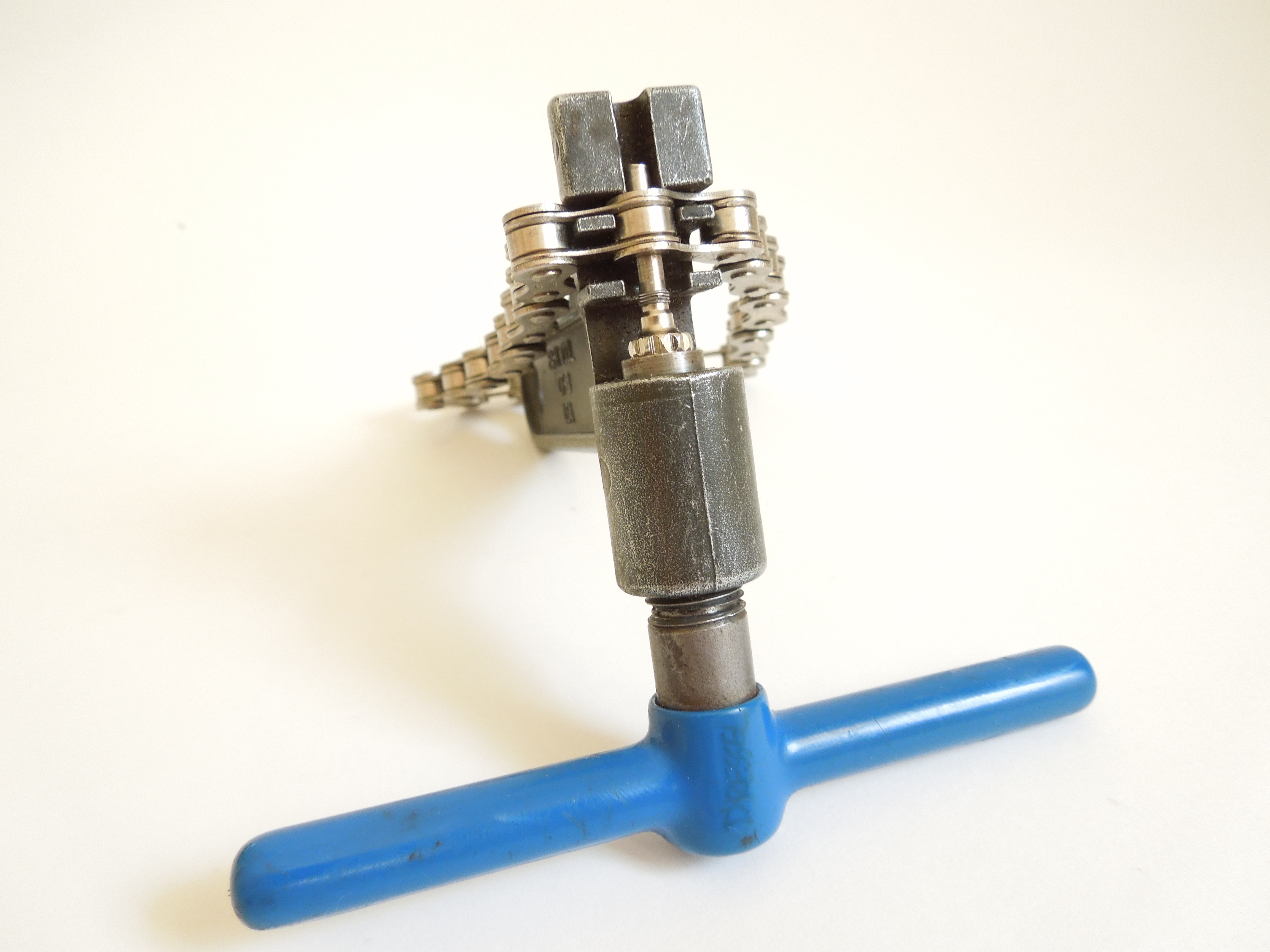
Whether the bike runs rim or disc brakes, the goals are the same: pads meet the braking surface squarely, the lever stops well before the bar, and there is no constant rub when the wheel spins freely.
| Symptom | Common cause |
|---|---|
| Lever pulls to the bar | Worn pads or cable stretch / low hydraulic level |
| Constant rub | Caliper not centred or wheel not seated squarely |
| Squeal under braking | Contaminated pads or glazed rotor / rim surface |
Disc systems should be handled carefully: keep oils and lubricants away from pads and rotors, since contamination is a frequent cause of weak braking.
Rim and disc adjustment guideTire pressure changes ride quality, grip and puncture resistance. Manufacturers print a usable range on the sidewall; within that range, lower pressure adds comfort and grip while higher pressure lowers rolling resistance.
Cold air lowers measured pressure, so tires that felt firm in summer can read low on the first cold mornings. Re-check after the temperature drops.

A short, repeatable sequence catches most issues before a ride. The labelled steps below outline one practical order.
Use the form below to send a note about a maintenance topic you would like covered. Fields are validated in the browser; nothing is transmitted to a server from this static page.